
In the intricate world of international trade, compliance is not merely a formality-it is the bedrock of successful and sustainable operations. For businesses ranging from sole proprietors to Fortune 500 companies, navigating the complexities of customs regulations is paramount. An often-overlooked yet critical aspect of this landscape is the potential for a Customs and Border Protection (CBP) customs audit. Understanding these audits, their implications, and how a seasoned customs broker can guide you is essential for safeguarding your supply chain and profitability.
At Lee Hardeman Customs Broker, we are firmly committed to meeting the Customs, Import, and Transportation needs of our customers with outstanding customer service. Our extensive experience since 1986, coupled with a formal quality program and low error rate across over 225,000 transactions, positions us as a leader in comprehensive import, export, and compliance solutions. We specialize in ensuring your business maintains the highest level of customs compliance, mitigating risks, and providing peace of mind.
What is a CBP Customs Audit?
A CBP Customs Audit is a rigorous examination conducted by U.S. Customs and Border Protection to verify an importer’s compliance with trade laws and regulations. Unlike routine transaction reviews, an audit involves a deeper dive into an importer’s records, processes, and internal controls to assess the accuracy of declared values, classifications, origins, and other trade data over a specified period. The primary objective from the government’s perspective is to ensure proper duty collection, enforce trade laws, and maintain the integrity of the import system. For importers, this process verifies that reasonable care has been exercised in all import activities.
Why Importers Face CBP Audits: Common Triggers
No importer is immune to a CBP audit. Several factors can trigger an importer’s selection for review, often stemming from CBP’s risk assessment algorithms or specific trade enforcement initiatives. Common triggers include:
- High Import Volumes: Companies with significant import activity are naturally more visible.
- Complex Transactions: Imports involving specialized items, unique valuation methods, or multiple countries of origin can attract scrutiny.
- History of Errors: Repeated clerical errors, inaccurate declarations, or past penalties can flag an importer for a deeper review.
- Industry Focus: CBP periodically targets specific industries or product types for compliance campaigns.
- Random Selection: Some audits are simply part of CBP’s routine compliance verification process.
- Trade Program Participation: Importers participating in programs like free trade agreements or duty drawback may be audited to ensure adherence to program requirements.
Navigating the CBP Audit Process: A Step-by-Step Guide
Understanding the typical stages of a CBP audit can help importers prepare and respond effectively. While each audit can vary, the general process includes:
1. Notification and Initial Information Request
CBP will formally notify the importer of the upcoming audit, typically via mail. This notification will include the scope of the audit, the period under review, and an initial request for a vast array of documents, records, and information. This phase is crucial, as the initial response sets the tone for the entire audit.
2. On-Site Verification and Document Review
CBP auditors may conduct on-site visits to the importer’s premises, often in locations like Atlanta, to interview personnel, observe internal processes, and review physical records. This phase focuses on verifying the accuracy and completeness of the submitted information and assessing the effectiveness of the importer’s internal controls.
3. Preliminary Findings and Discussion
After reviewing all information, CBP will present its preliminary findings. This is an opportunity for the importer to discuss any discrepancies, provide additional explanations, or clarify misunderstandings. Engaging with customs experts during this stage can be invaluable.
4. Final Report and Potential Penalties
CBP issues a final audit report detailing its findings. If non-compliance is identified, the report may include demands for unpaid duties, interest, and potential penalties. The severity of penalties depends on the nature and extent of the violations, and whether a violation was due to negligence, gross negligence, or fraud.
5. Appeal Process
Importers have the right to appeal CBP’s findings or proposed penalties. This involves formally challenging the decision through administrative or judicial channels. This stage often requires meticulous legal and customs expertise.
The Critical Role of ‘Reasonable Care’ and ‘Informed Compliance’
Central to any CBP audit is the concept of ‘reasonable care’. This refers to an importer’s responsibility to exercise ordinary prudence in fulfilling import requirements. It encompasses having adequate procedures, understanding regulations, and providing accurate information to CBP. Coupled with ‘informed compliance,’ which obligates importers to understand and adhere to customs laws, these principles form the backbone of a robust import program. Proactive engagement in specialized customs compliance reviews and audits can demonstrate an importer’s commitment to these critical principles.
Consequences of Non-Compliance: Risks and Penalties
Failing a CBP audit or being found non-compliant can have severe repercussions. These are not just inconveniences; they are multi-million dollar problems that directly impact your bottom line and reputation. Potential consequences include:
- Significant Monetary Penalties: Ranging from civil penalties for negligence to substantial fines for fraud.
- Retroactive Duty Payments: Demands for underpaid duties, often with interest, extending back several years.
- Increased Scrutiny: Future shipments may face more frequent examinations and delays.
- Reputational Damage: Non-compliance can harm your standing with customers, partners, and financial institutions.
- Loss of Import Privileges: In extreme cases, severe and repeated non-compliance can lead to the suspension or revocation of importing rights.
- Supply Chain Disruptions: Delays at the border due to increased inspections can halt production schedules and impact customer satisfaction, creating significant operational bottlenecks for businesses across the U.S. and globally.
How a Trusted Customs Broker Guides You Through an Audit
Engaging an expert customs broker like Lee Hardeman Customs Broker is not merely beneficial; it is a strategic imperative. Our dedicated team of seasoned professionals provides unparalleled support throughout the entire audit lifecycle, offering much more than just pre-audit preparation.
Pre-Audit Preparation and Proactive Compliance
Before an audit even begins, we help you establish robust internal controls and conduct proactive reviews of your import processes. Our expertise in areas such as Classification (HS codes), Valuation (declared value), and Origin (preferential treatment) ensures your documentation is accurate and defensible. This proactive stance significantly reduces the likelihood of an audit, and if one occurs, positions you for a favorable outcome. Our quality control processes and compliance certifications are designed to minimize error rates and optimize your entire operation, offering long-term cost-saving benefits and a tangible ROI by preventing costly errors.
Guidance During the Audit
When a CBP audit notification arrives, our team steps in to provide immediate support. We assist in interpreting CBP’s requests, organizing documentation, and preparing your staff for potential interviews. We serve as your authoritative liaison with CBP, ensuring clear communication and accurate representation of your compliance efforts. Our deep understanding of regulations allows us to identify potential areas of concern before they escalate, managing risks and preventing unforeseen challenges that can disrupt global supply chains.
Post-Audit Support and Remediation
Should the audit uncover areas requiring adjustment, we work closely with you to implement corrective actions. This includes developing strategies for prior disclosures, penalty mitigation, and, if necessary, navigating the appeal process. Our goal is to not only resolve immediate audit findings but also to fortify your compliance framework against future challenges. For companies like Apex Industrial Components, ensuring every step is compliant is critical to maintaining a sterling reputation and expanding into new markets without a hitch.
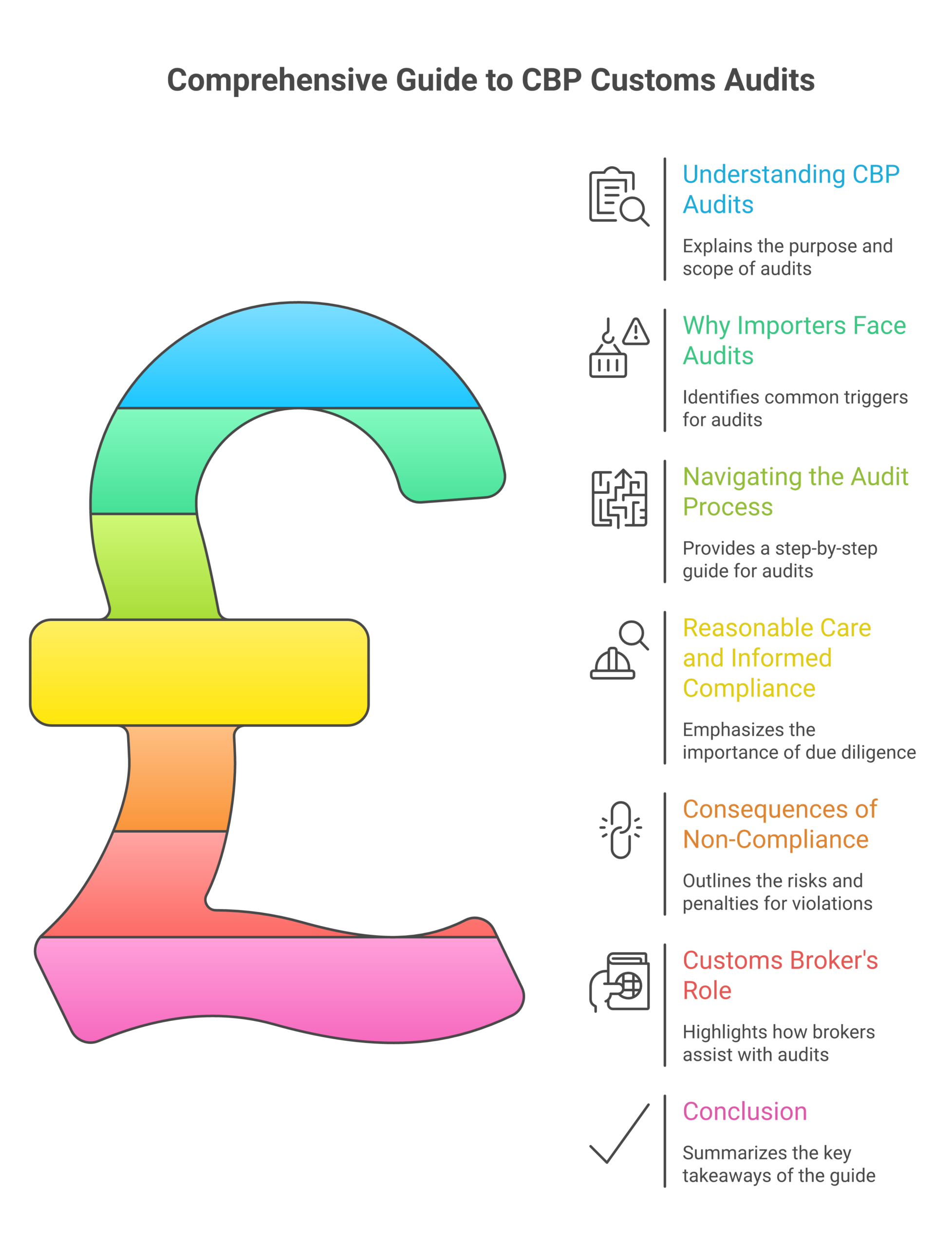
Conclusion
A CBP customs audit can be a daunting prospect, but with the right partner, it becomes a manageable process that strengthens your overall compliance posture. Lee Hardeman Customs Broker stands as your unwavering ally, offering the expertise, reliability, and customer-centric service needed to navigate these complexities. Our proven track record, anchored in decades of experience and a relentless pursuit of accuracy, ensures that your trade operations remain seamless and compliant. Based in Georgia – leading clients successfully worldwide, we invite you to connect with our compliance specialists to discuss how we can help protect your business and foster continued success in global trade. From customs broker Atlanta services to intricate global logistics, we provide comprehensive import and export solutions tailored to your unique needs.
Frequently Asked Questions About Customs Broker Audits
Q: How long does a typical CBP Customs Audit last? A: The duration of a CBP audit can vary significantly, from a few months to over a year, depending on the complexity of your operations, the scope of the audit, and the responsiveness of your company in providing requested information.
Q: What is the difference between a CBP audit and a compliance assessment? A: A CBP audit is an official government examination with potential legal and financial repercussions. A compliance assessment, often conducted internally or by a third-party customs broker like Lee Hardeman, is a proactive review designed to identify and correct potential compliance issues before a government audit occurs.
Q: Can a customs broker represent me directly during a CBP audit? A: While a customs broker cannot provide legal representation, they can act as a knowledgeable liaison, assist in preparing responses, gather documents, and provide expert guidance throughout the audit process. For legal matters, an attorney specializing in international trade law would be required.
Q: What records should I retain in preparation for a potential audit? A: Importers should retain all records related to import transactions for at least five years from the date of entry. This includes commercial invoices, packing lists, bills of lading, entry summaries, purchase orders, payment records, and any correspondence with suppliers or CBP regarding the entry.